
Drone Photography Laws in Florida: What Businesses Should Know
Hiring a drone photographer in Florida? A plain-English overview of FAA Part 107, local airspace, and why working with a licensed pilot matters.
By Kyle Romero, FAA Part 107 Remote Pilot
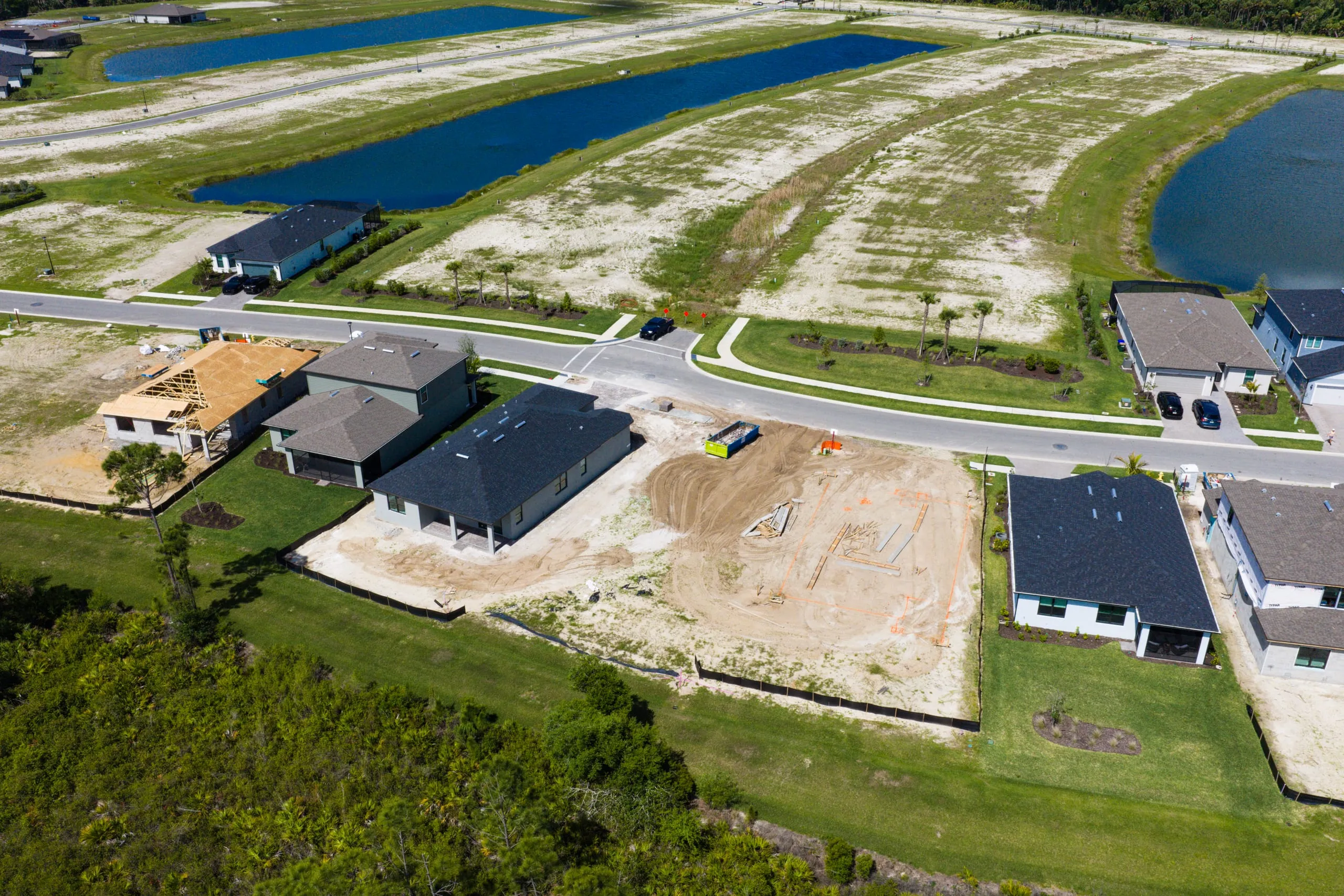
Aerial photos make properties, businesses, and projects look incredible — but commercial drone work isn’t a free-for-all. If you’re hiring someone to fly for your listing, build, or business, it’s worth knowing the basics. Here’s a plain-English overview (not legal advice — just the essentials).
Commercial drone work requires a licensed pilot
Any drone flight for business purposes in the U.S. falls under the FAA’s Part 107 rules. That means the pilot should hold a valid Remote Pilot Certificate. If a “drone photographer” can’t tell you they’re Part 107 certified, that’s a red flag — for both quality and liability.
Airspace matters, especially near the coast
Palm Beach County has controlled airspace around its airports, plus seasonal and event-based restrictions. Licensed pilots check airspace before every flight and request authorization (often via the FAA’s LAANC system) where required. This is exactly why working with a pro saves you headaches.
A few things a good pilot handles for you
- Airspace checks and authorizations before the shoot.
- Safe operation around people, traffic, and property.
- Weather and lighting planning for the best results.
Why this protects you
When you hire a licensed pilot, you’re not just getting better footage — you’re protecting yourself. Unauthorized flights can carry real penalties, and an operator who treats the rules as optional is a risk you don’t want attached to your project or property.
Fly with confidence
Every aerial shoot we do — for real estate listings or for local businesses — is flown by a licensed pilot operating within the rules. You get good-looking aerials without the legal and safety headaches.
Our guide to drone photography in Palm Beach County shows how businesses here actually put aerials to work. Aerial coverage is part of what we shoot for local businesses — Part 107 flights and airspace authorization included, anywhere in the county.